THE EVOLUTION OF LEATHER BAGS
In early South Africa, leather bags were primarily functional. Indigenous communities crafted pouches, satchels, and small carry bags to hold daily essentials, designed for mobility and durability. These pieces prioritised practicality but also showcased artistry in hand-stitching, natural shapes, and thoughtful proportions. The aesthetic was understated yet refined, a balance of utility and craftsmanship.
With European colonisation in the 17th and 18th centuries, leather bags began to blend local methods with imported styles. Structured satchels, luggage, and decorative pouches emerged, combining European design principles with South African craftsmanship. By the 20th century, South African leather’s quality and design sensibility caught the attention of European designers. Bags crafted here inspired minimalist silhouettes, robust construction, and understated elegance that would later dominate global fashion.
As fashion evolved, leather bags transitioned from purely functional to iconic style statements. South African artisans adapted global trends while maintaining a local signature, influencing European fashion houses and urban leather designs. This evolution demonstrates how culture, environment, and lifestyle shape design. Functional bags became elegant totes, compact crossbodies, and versatile everyday pieces, marrying tradition with contemporary needs.
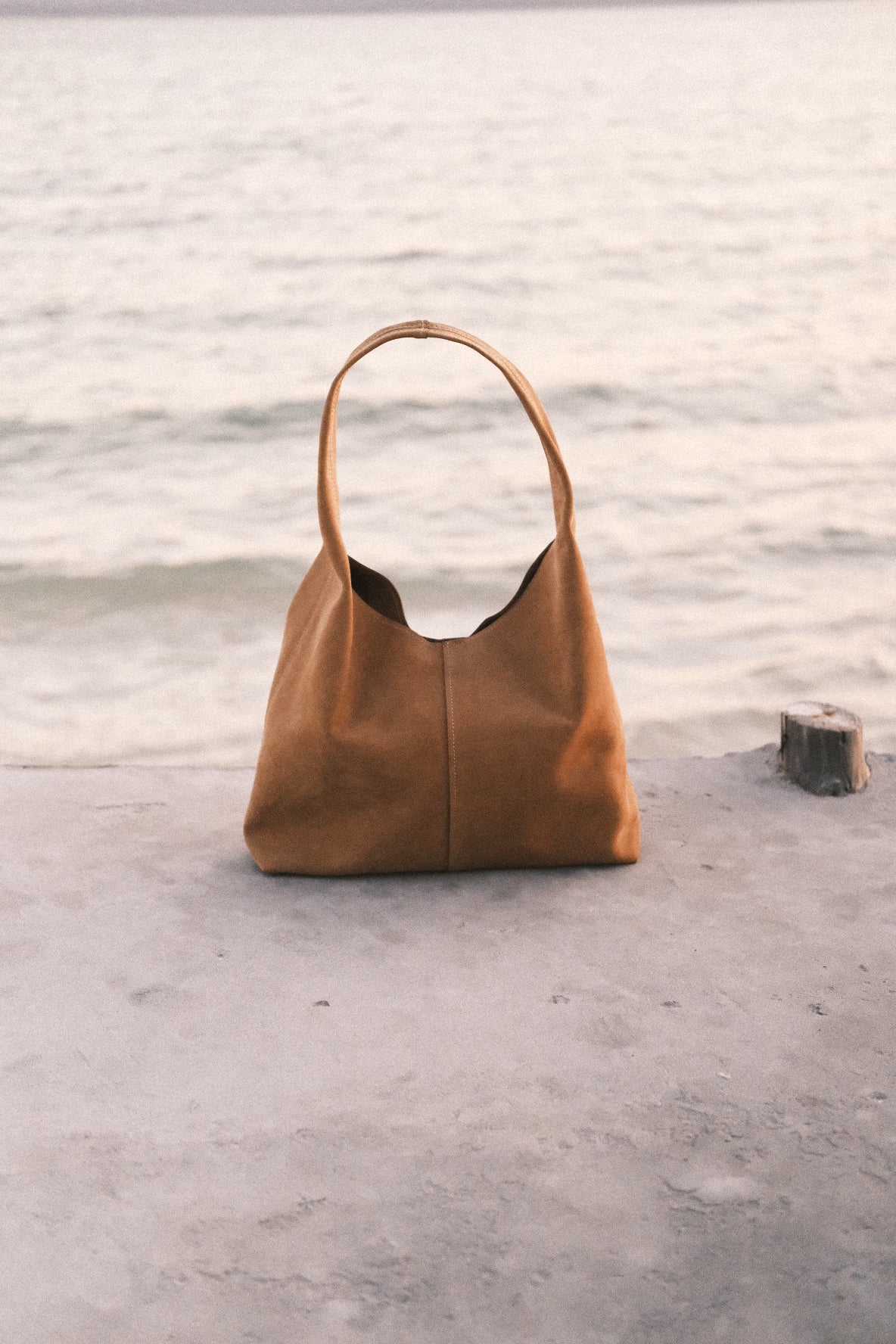
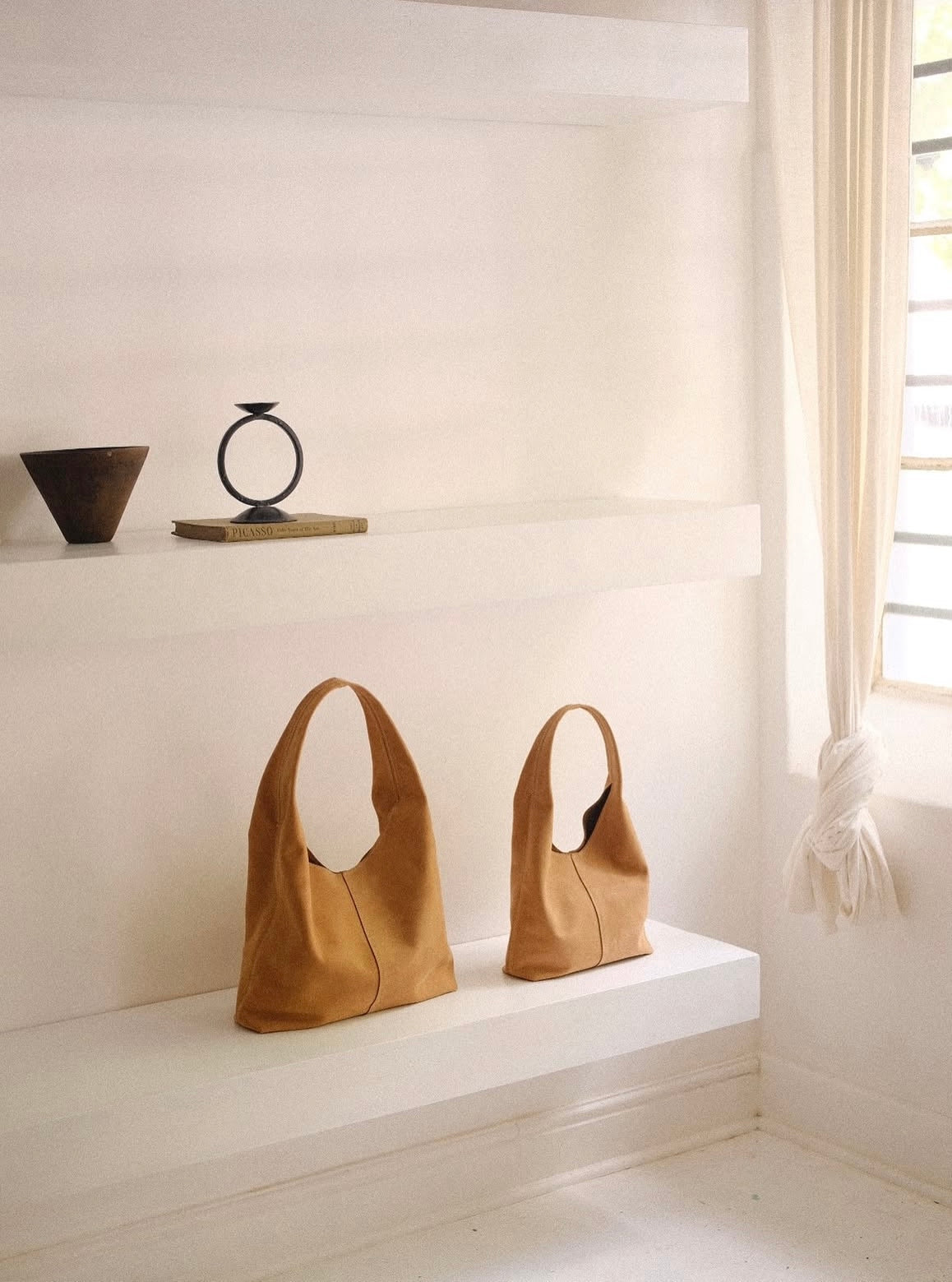
VERSE leather bags, including the Alba Mini and leather tote bags, continue this lineage. Each piece reflects South African heritage, modern style, and thoughtful design. By carrying a VERSE bag, you carry a piece of this evolving story—a blend of history, craftsmanship, and contemporary elegance.
Explore the full VERSE leather bag collection online, or visit us at the Oranjezicht Market Cape Town every Saturday and Sunday to experience the evolution of leather bags in person.